
Combine the two drugs, and this critical organ must “choose” which toxin to strip from the body first. Research suggests that liver cells focus on alcohol, allowing THC levels to rise. Alcohol and marijuana both work on the dopamine reward system within your brain, so they both can make you feel calm and happy. College students who are under 21 often have fellow students who are 21 or 22. This makes it easier to access alcohol than it was when they were high school students and only socialized with other high schoolers.
Social and Cultural Factors
Long-term alcohol abuse can also lead to permanent brain damage. Some who do not have genetic risk factors may develop alcoholism if raised in an environment that encourages or normalizes maladaptive drinking behaviors. A person who engages in these practices may also develop alcoholism.

Biological factors, including genes, are among the causes of alcoholism. Studies suggest that about half of the risk of developing an alcohol addiction depends upon genes. Keep in mind, though, that a genetic risk does not mean a person is destined to develop alcoholism. High cortisol levels are linked to stress, depression, and anxiety. This contributes to increased tolerance and the individual needs to drink more to produce the same effect. Alcoholic Rage Syndrome, also known as alcohol-induced aggression or alcoholic anger, is a distressing condition that plays a role in answering why do people become alcoholics the question, why are alcoholics so mean?
- They fail to see the negative effects that alcohol has on their health in the long term.
- Alcohol is a depressant, which means it slows down the central nervous system (CNS).
- Try meditating, talking to a friend, watching a movie, going for a walk or journaling.
- The reality is that alcohol can be an addictive substance and, when used in large quantities, can be harmful regardless of why one chooses to drink.
If your loved one needs help
If you’re worried about a loved one, remember that understanding the complex causes of alcoholism is the first step toward effective support. The connection between alcohol and mental health is one of the most common causes of alcoholism. Genetics play a profound role in a person’s risk for developing AUD, accounting for about 40% to 60% of the risk. Stopping or reducing heavy alcohol use suddenly and without medical support can result in withdrawal syndrome.
Dangers Of Alcohol Addiction

If you’re experiencing (or a loved one is experiencing) alcohol use disorder, know that help is available. Without healthy tools to manage stress, conflict, or emotional distress, many people turn to alcohol. They may never have learned how to cope — and alcohol fills that gap temporarily. The FHE Health team is committed to providing accurate information that adheres to the highest standards of writing. This is part of our ongoing commitment to ensure FHE Health is trusted as a leader in mental health and addiction care.
Childhood experiences, particularly traumatic ones, can have a long-lasting impact on an individual’s likelihood of developing alcohol use disorders later in life. By addressing and healing from these early life experiences, individuals can reduce their risk of alcohol dependence and improve their overall mental health. Certain personality traits, such as impulsivity and sensation-seeking, are closely linked to alcohol use disorders.
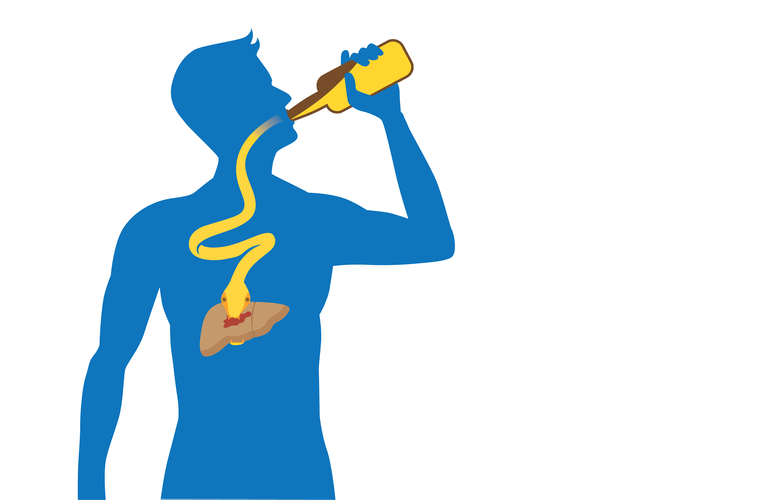
Understanding why people become alcoholics is crucial in addressing the root causes of alcohol use disorder. Whether it’s genetics, mental health conditions, environmental factors, or drinking habits, recognizing these risks is the first step toward creating effective prevention and treatment strategies. Mental health disorders such as depression, anxiety, and bipolar disorder can also increase a person’s risk of developing alcoholism.
- Science shows that differences in these genes lead to structural distinctions in the enzymes and affect their function.
- It’s extremely common for people who suffer from alcohol use disorder to have a co-occurring mental health condition.
- The changes can endure long after a person stops consuming alcohol, and can contribute to relapse in drinking.
- We’ll get down to the root causes of their drinking, help them heal from the past, and implement new behaviors that are conducive to recovery.
Peer drinking behavior can significantly increase the likelihood of adolescent drinking, especially in the absence of parental care. Homeless individuals exhibit an alcohol dependence prevalence rate estimated to be 10 times higher than that of the general U.S. population. If you or a loved one is struggling with alcoholism, Avenues Recovery is here to help.
Depression
Curiosity and experimentation are common motivations, particularly among adolescents seeking new experiences. Understanding why people who struggle with alcoholism lie can be a crucial step in helping them on their journey to recovery. To do so, we must first understand the most common reasons individuals struggling with alcoholism may resort to dishonesty. This can provide valuable insights for loved ones to better confront these behaviors.
Alcoholics, most often, are using alcohol to suppress having to feel the fullness of negative emotions. Rather than face the feelings, they are using the substance to “regulate” themselves. Reframe supports you in reducing alcohol consumption and enhancing your well-being. Studies showed that people drink more when there’s (any) music in the background, and one showed that tempo matters — faster music leads to faster drinking.
Grief can be an overwhelming and isolating experience, filled with intense emotional pain, confusion, and a deep sense of loss. In the midst of such suffering, what is alcoholism some people turn to alcohol as a way to numb the pain or escape from the heaviness, even if only for a little while. Family members like spouses and siblings can play a significant role in the treatment process. Family therapy incorporates family members in therapy sessions. Biofeedback therapy (or neurofeedback therapy) uses an electroencephalograph (EEG) to train the brain to function more efficiently. An EEG listens to a patient’s brainwave activity to help them identify triggers and stress-induced psychological responses.
- When you get older, it seems natural to join them at cocktail hour.
- While there is no universal indicating factor to one’s risk level, there are some factors that have historically been known to contribute to developing the disorder.
- Our daily research-backed readings teach you the neuroscience of alcohol, and our in-app Toolkit provides the resources and activities you need to navigate each challenge.
- Our treatment services are catered toward discovering and implementing solutions for sustained, long-term recovery.
- Luckily, a belief is a belief, and as it’s true for any belief, there is always room for challenge and expansion.
It depends on the factors that contribute to them developing this habit. Consciously choosing healthy lifestyles and avoiding social pressures and risky situations is a significant first step. The causes typically include learned behavior, outside pressures, and mental health challenges a person experiences over a prolonged period. If you or someone close to you is facing challenges with alcohol misuse or addiction, we’re here to help. Reach out to us today or explore our treatment options to take the first step toward healing.